
Lower Back Pain and Sciatica: Why Finding the Root Cause Comes Before Any Treatment
Lower back pain and sciatica are not the problem. They are the alarm.
That distinction changes how you should approach your care. A smoke alarm can be silenced with a towel, but the fire is still burning. Most people with back pain or sciatica do the equivalent: they take something for it, rest, get a quick adjustment or massage, and hope it fades. Sometimes it does, for a while. Then it comes back, and it is usually worse.
At Ethos Medical Group – Chiropractic & Longevity, we start somewhere different. Before we treat anything, we find out why you hurt.
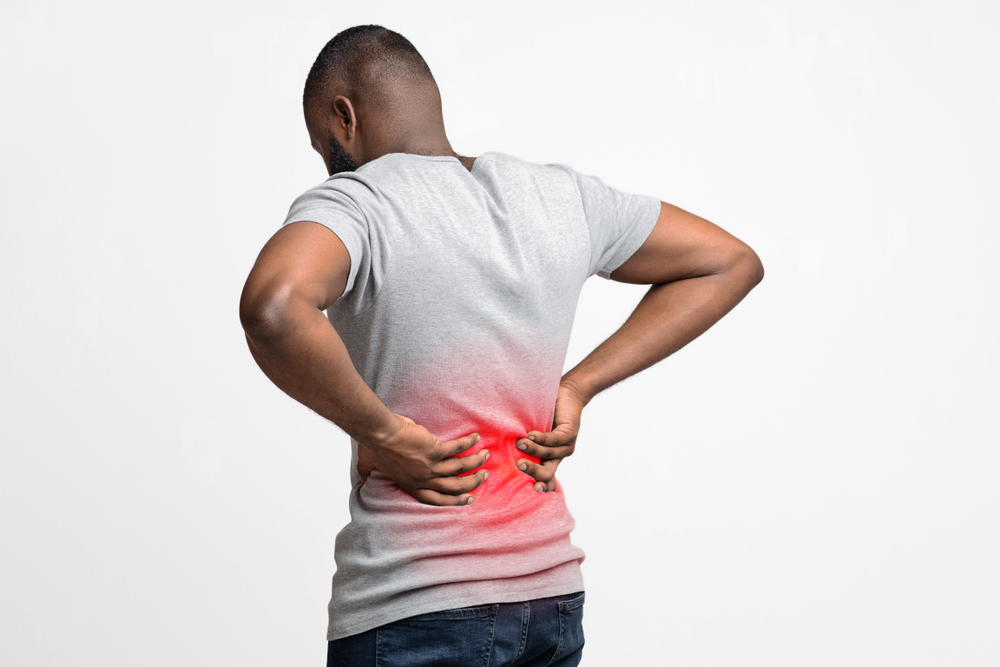
What Lower Back Pain and Sciatica Actually Feel Like
Back pain shows up differently for everyone, but the patterns are familiar:
- A deep, dull ache across the belt line that builds through the day
- Sharp, catching pain when you bend, twist, or stand up from a chair
- Stiffness first thing in the morning that takes 30 minutes or more to loosen
- Pain that worsens after sitting, driving, or standing in one place
- Burning, tingling, or electric pain that travels through the buttock and down the leg (classic sciatica)
- Numbness or weakness in the leg or foot
- Night pain that wakes you or keeps you from finding a comfortable position
Timing is a clue. Pain that is worst in the morning suggests something different from pain that builds by evening. Pain that flares after sitting points somewhere other than pain that flares when you walk. This is the kind of detail we listen for in your consultation, because it helps narrow down the source.

What It Costs You Beyond the Pain
Most people wait far too long to address back pain because they have quietly adapted around it. Look at what you have already given up:
- Getting down on the floor with your kids or grandkids
- Sleeping through the night
- Sitting through a meeting, a flight, or a dinner without shifting constantly
- Golf, tennis, pickleball, the gym, and long walks
- Putting on socks and shoes, loading the car, or carrying groceries
- Your patience, your mood, and your energy
Those are limits on your activities of daily living and your quality of life. They do not stay static. Untreated mechanical problems tend to progress.
Why Treating the Symptom Isn’t Enough
Pain relief and problem correction are two different goals.
When back pain or sciatica is managed only at the surface, with rest, over-the-counter medication, a generic stretching handout, or “random” pop-and-crack visits, the underlying problem keeps loading the same tissues. Over time, that can mean:
- Recurring flare-ups that come closer together and last longer
- Progressive disc and joint degeneration
- Compensation patterns, where your hips, pelvis, and opposite side take on the strain
- Nerve irritation that becomes more persistent
- A path toward pain management, injections, and in some cases surgery
Medications and injections have a role in certain situations. But when they become the first answer instead of a last resort, the cause never gets addressed. Our goal is to identify what is driving your pain early enough that you can avoid that path.
Step One: The Diagnosis
At Ethos, your care begins with a thorough consultation and evaluation, not a treatment table. Depending on your case, that includes a detailed history, orthopedic and neurological examination, movement and postural assessment, and appropriate testing and imaging.
We look at every major contributor to lower back pain and sciatica:
Alignment
Spinal and pelvic alignment determines how forces travel through your lower back. Small structural imbalances create large, repeated stresses on discs and joints.
Disc Health
Bulging and herniated discs are a common cause of back pain and sciatica. Knowing the condition of your discs shapes both the treatment and the timeline.
Arthritic Changes and Anatomical Variants
Degenerative joint changes, narrowing of the spaces where nerves exit, and individual structural variations all affect what care is appropriate for you.
Muscle and Fascia
Tight, weak, or poorly coordinated muscles and restricted fascia can drive pain or keep a joint problem from resolving.
Overall Health
Inflammation, metabolic health, body composition, sleep, stress, and lifestyle all influence how your body heals. We look at the whole person, not just the painful spot.
This is what separates a diagnosis from a guess. It also lets us tell you honestly whether we can help you or whether you need a different type of care.
The Ethos Stacked Protocol: Why Layered Care Works Better
Back pain rarely has a single cause, so it rarely responds well to a single technique. That is why we built the Ethos Stacked Protocol™ — a deliberate, sequenced combination of therapies that may include chiropractic adjustments, spinal decompression, Class IV laser, PiezoWave shockwave therapy, corrective exercise, functional nutrition, BrainTap, InLight red light therapy, and medical-grade supplements, layered according to what your evaluation finds.
The care plan is built around your diagnosis. It follows a clear progression:
- Find the problem through a complete evaluation
- Address it with a targeted, layered plan
- Stabilize it so the improvement holds
- Teach you how to stay active, strong, and pain-free for the long term
That last step matters. We do not want you dependent on us forever. We want you moving, training, traveling, and enjoying your life, with the knowledge to protect your back.
Who Does Well at Ethos
We cannot help everyone, and we will tell you if we are not the right fit. Patients who do best here want a real answer instead of a temporary fix, commit to a structured plan, and see their care as an investment in the next 20 to 30 years of their lives.
If you are looking for a quick pop and crack with no plan, that is not what we do.
When to Seek Emergency Care
Some symptoms are not a reason to book a consult. They need immediate medical attention. Go to the emergency room if you have back pain with loss of bladder or bowel control, numbness in the groin or inner thighs (saddle area), rapidly worsening leg weakness, fever, or pain following significant trauma.
Frequently Asked Questions
Is sciatica the same as lower back pain?
No. Sciatica refers to pain that travels along the path of the sciatic nerve, typically from the lower back through the buttock and down the leg. It is a symptom of nerve irritation, and finding out what is irritating the nerve is the key to resolving it.
Do I need an MRI or X-ray?
It depends on your history and exam findings. Imaging is used when it will change or guide your care, not automatically for everyone.
How long will it take?
That depends on your diagnosis, how long the problem has been developing, and your overall health. After your evaluation, you will get a clear plan and realistic expectations.
Will I need surgery?
Many people with lower back pain and sciatica never need it, but that decision belongs to a proper diagnosis, not a guess. Part of our job is identifying early whether your case needs a surgical referral.
Take the First Step
Your back pain has a cause. The sooner it is identified, the more options you have.
Schedule your consultation and evaluation at Ethos Medical Group – Chiropractic & Longevity. Call 972-409-0016 or book online at ethosregen.com.


